



Description
Young shoots and leaves are used as a seasoning for stuffings, soups, sausages, sauces, fish and lamb. The flowers have a milder flavor and are used as a flavoring. Both the leaves and flowers are great for teas.
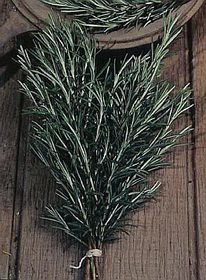
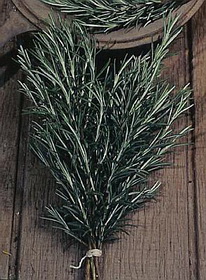
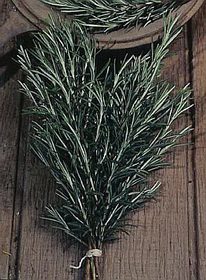
Young shoots and leaves are used as a seasoning for stuffings, soups, sausages, sauces, fish and lamb. The flowers have a milder flavor and are used as a flavoring. Both the leaves and flowers are great for teas.
| Options | 1 lb, 1 oz, 1/4 lb, 1/4 oz, 1/8 oz, packet |
|---|
Only logged in customers who have purchased this product may leave a review.
Beekeepers sometimes use lemon grass oil in swarm traps to attract swarms. Lemon grass oil has also been tested for its ability to repel the pestilent stable fly,[21] which bite domestic animals.
Seeds/ounce – 1,188,800
Pkt Weight – 1/16
Beekeepers sometimes use lemon grass oil in swarm traps to attract swarms. Lemon grass oil has also been tested for its ability to repel the pestilent stable fly,[21] which bite domestic animals.
Seeds/ounce – 1,188,800
Pkt Weight – 1/16
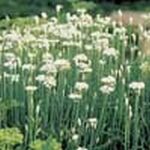
Both leaves and the stalks of the flowers are used as a flavoring in a similar way to chives.
Seeds/ounce – 8,000
Pkt Weight – 1/28
Both leaves and the stalks of the flowers are used as a flavoring in a similar way to chives.
Seeds/ounce – 8,000
Pkt Weight – 1/28
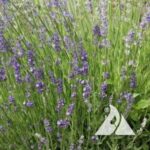
Lavenders flourish best in dry, well-drained, sandy or gravelly soils in full sun.
Seeds/ounce – 26,000
Pkt Weight – 1/128
Lavenders flourish best in dry, well-drained, sandy or gravelly soils in full sun.
Seeds/ounce – 26,000
Pkt Weight – 1/128
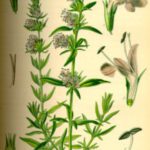
Hyssop is a brightly coloured shrub or subshrub that ranges from 30 to 60 cm (12 to 24 in) in height. The stem is woody at the base, from which grow a number of straight branches. Its leaves are lanceolate, dark green in colour, and from 2 to 2.5 cm (0.79 to 0.98 in) long.[3]
During the summer, the plant produces bunches of pink, blue, or, more rarely, white fragrant flowers. These give rise to small oblong achenes.
Seeds/ounce – 27,150
Pkt Weight – 1/128
The species as a whole is resistant to drought, and tolerant of chalky, sandy soils. It thrives in full sun and warm climates.
27150 seeds/ounce approximately 200 seeds/Pkt
Hyssop is a brightly coloured shrub or subshrub that ranges from 30 to 60 cm (12 to 24 in) in height. The stem is woody at the base, from which grow a number of straight branches. Its leaves are lanceolate, dark green in colour, and from 2 to 2.5 cm (0.79 to 0.98 in) long.[3]
During the summer, the plant produces bunches of pink, blue, or, more rarely, white fragrant flowers. These give rise to small oblong achenes.
Seeds/ounce – 27,150
Pkt Weight – 1/128
The species as a whole is resistant to drought, and tolerant of chalky, sandy soils. It thrives in full sun and warm climates.
27150 seeds/ounce approximately 200 seeds/Pkt
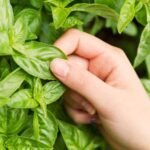
Basil (/ˈbæzəl/,[1] also US: /ˈbeɪzəl/;[2] Ocimum basilicum), also called great basil, is a culinary herb of the family Lamiaceae (mints).
Basil is native to tropical regions from central Africa to Southeast Asia.[3] It is a tender plant, and is used in cuisines worldwide. Depending on the species and cultivar, the leaves may taste somewhat like anise, with a strong, pungent, often sweet smell.
From Wikipedia, the free encyclopedia
There are many varieties of basil, as well as several related species or hybrids also called basil. The type used commonly as a flavor is typically called sweet basil (or Genovese basil), as opposed to Thai basil (O. basilicum var. thyrsiflora), lemon basil (O. × citriodorum), and holy basil (Ocimum tenuiflorum). While most common varieties of basil are treated as annuals, some are perennial in warm, tropical climates, including holy basil and a cultivar known as “African blue basil“.
Basil (/ˈbæzəl/,[1] also US: /ˈbeɪzəl/;[2] Ocimum basilicum), also called great basil, is a culinary herb of the family Lamiaceae (mints).
Basil is native to tropical regions from central Africa to Southeast Asia.[3] It is a tender plant, and is used in cuisines worldwide. Depending on the species and cultivar, the leaves may taste somewhat like anise, with a strong, pungent, often sweet smell.
From Wikipedia, the free encyclopedia
There are many varieties of basil, as well as several related species or hybrids also called basil. The type used commonly as a flavor is typically called sweet basil (or Genovese basil), as opposed to Thai basil (O. basilicum var. thyrsiflora), lemon basil (O. × citriodorum), and holy basil (Ocimum tenuiflorum). While most common varieties of basil are treated as annuals, some are perennial in warm, tropical climates, including holy basil and a cultivar known as “African blue basil“.
Reviews
There are no reviews yet.