



Description
Perennial, the leaves can be candied or brewed into an aromatic mint like tea. Also know as “kitty krack”.
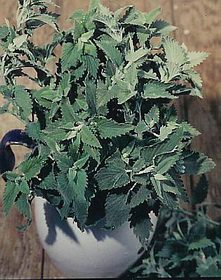
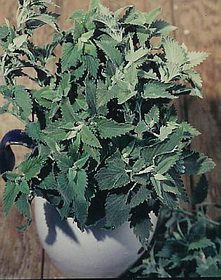
Perennial, the leaves can be candied or brewed into an aromatic mint like tea. Also know as “kitty krack”.
| Options | 1 lb, 1 oz, 1/4 lb, 1/4 oz, packet |
|---|---|
| Source | Natural, Organic |
Only logged in customers who have purchased this product may leave a review.
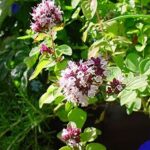
Greek oregano tends to be the most savory and earthy, while Italian is milder. Greek Oregano’s flavor is hot and peppery. Its spicy yet refreshing flavor contributes to Italian, Greek, and Spanish cuisine, as well as Mexican.
Oregano is a perennial growing to 20 inches, with pink flowers and spade-shaped, olive-green leaves.
Seeds/ounce – 125,100
Pkt Weight – 1/128
Greek oregano tends to be the most savory and earthy, while Italian is milder. Greek Oregano’s flavor is hot and peppery. Its spicy yet refreshing flavor contributes to Italian, Greek, and Spanish cuisine, as well as Mexican.
Oregano is a perennial growing to 20 inches, with pink flowers and spade-shaped, olive-green leaves.
Seeds/ounce – 125,100
Pkt Weight – 1/128
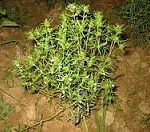
Nepeta cataria is cultivated as an ornamental plant for use in gardens.
Seeds/ounce – 42,500
Pkt Weight – 1/16
Nepeta cataria is cultivated as an ornamental plant for use in gardens.
Seeds/ounce – 42,500
Pkt Weight – 1/16
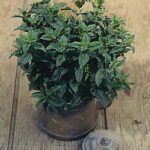
Purplish stems are 2-4 ft tall, has 2 inch broad smooth leaves that are distinctly stalked.
Seeds/ounce – 450,000
Pkt Weight – 1/168
Purplish stems are 2-4 ft tall, has 2 inch broad smooth leaves that are distinctly stalked.
Seeds/ounce – 450,000
Pkt Weight – 1/168
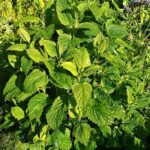
The leaves are used as a herb, in teas and also as a flavouring. The plant is used to attract bees for honey production. It is grown as an ornamental plant and for its oil (to use in perfumery). Lemon balm has been cultivated at least since the 16th century.
Lemon balm seeds require light and a minimum temperature of 20 °C (68 °F) to germinate. The plant grows in clumps and spreads vegetatively (a new plant can grow from a fragment of the parent plant), as well as by seed. In mild temperate zones, the plant stems die off at the start of the winter, but shoot up again in spring. Lemon balm grows vigorously.
The leaves are used as a herb, in teas and also as a flavouring. The plant is used to attract bees for honey production. It is grown as an ornamental plant and for its oil (to use in perfumery). Lemon balm has been cultivated at least since the 16th century.
Lemon balm seeds require light and a minimum temperature of 20 °C (68 °F) to germinate. The plant grows in clumps and spreads vegetatively (a new plant can grow from a fragment of the parent plant), as well as by seed. In mild temperate zones, the plant stems die off at the start of the winter, but shoot up again in spring. Lemon balm grows vigorously.
Reviews
There are no reviews yet.