Description
Coriander (Coriandrum sativum), also known as cilantro, Chinese parsley or dhania,[1] is an annual herb in the family Apiaceae. Coriander is native to regions spanning from southern Europe and North Africa to southwestern Asia.


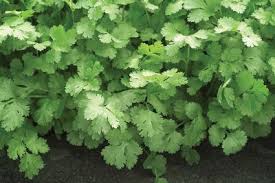
Coriander (Coriandrum sativum), also known as cilantro, Chinese parsley or dhania,[1] is an annual herb in the family Apiaceae. Coriander is native to regions spanning from southern Europe and North Africa to southwestern Asia.
| Options | 1 lb, 1 oz, 1/4 lb, packet |
|---|---|
| Type | Natural, Organic |
Only logged in customers who have purchased this product may leave a review.
The leaves can be used in salads, or to make soup, and the roots can be eaten as a vegetable.
Seeds/ounce – 8,700
Pkt Weight – 1/128
I do not have an image for this product. If you buy and raise this product this year and send me an image of it, I will give you a free pack for next year. Send to” errolahlers@morgancountyseeds.com. Please include your name, address, and product name.
The leaves can be used in salads, or to make soup, and the roots can be eaten as a vegetable.
Seeds/ounce – 8,700
Pkt Weight – 1/128
I do not have an image for this product. If you buy and raise this product this year and send me an image of it, I will give you a free pack for next year. Send to” errolahlers@morgancountyseeds.com. Please include your name, address, and product name.
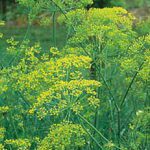
Successful cultivation requires warm to hot summers with high sunshine levels.
Seeds/ounce – 12,000
Pkt Weight – 1/8
Successful cultivation requires warm to hot summers with high sunshine levels.
Seeds/ounce – 12,000
Pkt Weight – 1/8
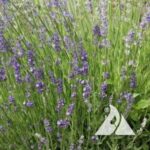
Lavenders flourish best in dry, well-drained, sandy or gravelly soils in full sun.
Seeds/ounce – 26,000
Pkt Weight – 1/128
Lavenders flourish best in dry, well-drained, sandy or gravelly soils in full sun.
Seeds/ounce – 26,000
Pkt Weight – 1/128
Seeds/ounce – 353,500
I do not have an image for this product. If you buy and raise this product this year and send me an image of it, I will give you a free pack for next year. Send to” errolahlers@morgancountyseeds.com. Please include your name, address, and product name.
Pkt Weight – 1/189
Seeds/ounce – 353,500
I do not have an image for this product. If you buy and raise this product this year and send me an image of it, I will give you a free pack for next year. Send to” errolahlers@morgancountyseeds.com. Please include your name, address, and product name.
Pkt Weight – 1/189
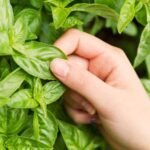
Basil (/ˈbæzəl/,[1] also US: /ˈbeɪzəl/;[2] Ocimum basilicum), also called great basil, is a culinary herb of the family Lamiaceae (mints).
Basil is native to tropical regions from central Africa to Southeast Asia.[3] It is a tender plant, and is used in cuisines worldwide. Depending on the species and cultivar, the leaves may taste somewhat like anise, with a strong, pungent, often sweet smell.
From Wikipedia, the free encyclopedia
There are many varieties of basil, as well as several related species or hybrids also called basil. The type used commonly as a flavor is typically called sweet basil (or Genovese basil), as opposed to Thai basil (O. basilicum var. thyrsiflora), lemon basil (O. × citriodorum), and holy basil (Ocimum tenuiflorum). While most common varieties of basil are treated as annuals, some are perennial in warm, tropical climates, including holy basil and a cultivar known as “African blue basil“.
Basil (/ˈbæzəl/,[1] also US: /ˈbeɪzəl/;[2] Ocimum basilicum), also called great basil, is a culinary herb of the family Lamiaceae (mints).
Basil is native to tropical regions from central Africa to Southeast Asia.[3] It is a tender plant, and is used in cuisines worldwide. Depending on the species and cultivar, the leaves may taste somewhat like anise, with a strong, pungent, often sweet smell.
From Wikipedia, the free encyclopedia
There are many varieties of basil, as well as several related species or hybrids also called basil. The type used commonly as a flavor is typically called sweet basil (or Genovese basil), as opposed to Thai basil (O. basilicum var. thyrsiflora), lemon basil (O. × citriodorum), and holy basil (Ocimum tenuiflorum). While most common varieties of basil are treated as annuals, some are perennial in warm, tropical climates, including holy basil and a cultivar known as “African blue basil“.
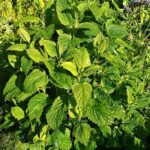
The leaves are used as a herb, in teas and also as a flavouring. The plant is used to attract bees for honey production. It is grown as an ornamental plant and for its oil (to use in perfumery). Lemon balm has been cultivated at least since the 16th century.
Lemon balm seeds require light and a minimum temperature of 20 °C (68 °F) to germinate. The plant grows in clumps and spreads vegetatively (a new plant can grow from a fragment of the parent plant), as well as by seed. In mild temperate zones, the plant stems die off at the start of the winter, but shoot up again in spring. Lemon balm grows vigorously.
The leaves are used as a herb, in teas and also as a flavouring. The plant is used to attract bees for honey production. It is grown as an ornamental plant and for its oil (to use in perfumery). Lemon balm has been cultivated at least since the 16th century.
Lemon balm seeds require light and a minimum temperature of 20 °C (68 °F) to germinate. The plant grows in clumps and spreads vegetatively (a new plant can grow from a fragment of the parent plant), as well as by seed. In mild temperate zones, the plant stems die off at the start of the winter, but shoot up again in spring. Lemon balm grows vigorously.
Reviews
There are no reviews yet.