



Description
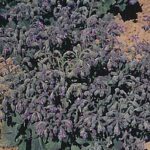
Purplish stems are 2-4 ft tall, has 2 inch broad smooth leaves that are distinctly stalked, leaves have clusters of reddish light purple flowers, rarely has seeds, hot aromatic taste at first that turns to cold, distinctive odor.
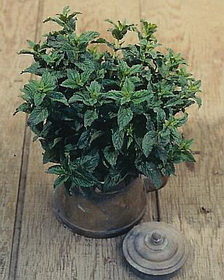
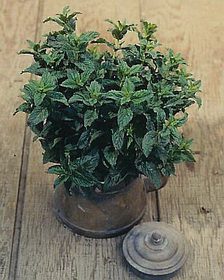
Purplish stems are 2-4 ft tall, has 2 inch broad smooth leaves that are distinctly stalked, leaves have clusters of reddish light purple flowers, rarely has seeds, hot aromatic taste at first that turns to cold, distinctive odor.
| Options | 1 lb, 1 oz, 1/4 lb, 1/4 oz, 1/8 oz, packet |
|---|
Only logged in customers who have purchased this product may leave a review.
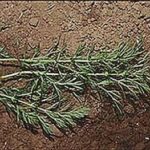
The plant prefers warm, sunny locations and well-drained soil rich in organic matter.
Seeds/ounce – 10,000
Pkt Weight – 1/28
The plant prefers warm, sunny locations and well-drained soil rich in organic matter.
Seeds/ounce – 10,000
Pkt Weight – 1/28
Beekeepers sometimes use lemon grass oil in swarm traps to attract swarms. Lemon grass oil has also been tested for its ability to repel the pestilent stable fly,[21] which bite domestic animals.
Seeds/ounce – 1,188,800
Pkt Weight – 1/16
Beekeepers sometimes use lemon grass oil in swarm traps to attract swarms. Lemon grass oil has also been tested for its ability to repel the pestilent stable fly,[21] which bite domestic animals.
Seeds/ounce – 1,188,800
Pkt Weight – 1/16
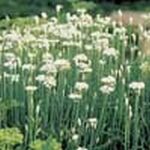
Both leaves and the stalks of the flowers are used as a flavoring in a similar way to chives.
Seeds/ounce – 8,000
Pkt Weight – 1/28
Both leaves and the stalks of the flowers are used as a flavoring in a similar way to chives.
Seeds/ounce – 8,000
Pkt Weight – 1/28
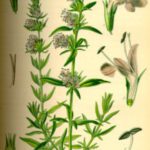
Hyssop is a brightly coloured shrub or subshrub that ranges from 30 to 60 cm (12 to 24 in) in height. The stem is woody at the base, from which grow a number of straight branches. Its leaves are lanceolate, dark green in colour, and from 2 to 2.5 cm (0.79 to 0.98 in) long.[3]
During the summer, the plant produces bunches of pink, blue, or, more rarely, white fragrant flowers. These give rise to small oblong achenes.
Seeds/ounce – 27,150
Pkt Weight – 1/128
The species as a whole is resistant to drought, and tolerant of chalky, sandy soils. It thrives in full sun and warm climates.
27150 seeds/ounce approximately 200 seeds/Pkt
Hyssop is a brightly coloured shrub or subshrub that ranges from 30 to 60 cm (12 to 24 in) in height. The stem is woody at the base, from which grow a number of straight branches. Its leaves are lanceolate, dark green in colour, and from 2 to 2.5 cm (0.79 to 0.98 in) long.[3]
During the summer, the plant produces bunches of pink, blue, or, more rarely, white fragrant flowers. These give rise to small oblong achenes.
Seeds/ounce – 27,150
Pkt Weight – 1/128
The species as a whole is resistant to drought, and tolerant of chalky, sandy soils. It thrives in full sun and warm climates.
27150 seeds/ounce approximately 200 seeds/Pkt
Spearmint, also known as garden mint, common mint, lamb mint and mackerel mint, is a species of mint, Mentha spicata, native to Europe and southern temperate Asia, extending from Ireland in the west to southern China in the east. It is naturalized in many other temperate parts of the world, including northern and southern Africa, North America and South America. It is used as a flavouring in food and herbal teas. The aromatic oil, called oil of spearmint, is also used as a flavouring and sometimes as a scent.
Wikipedia · Text under CC-BY-SA license
Spearmint, also known as garden mint, common mint, lamb mint and mackerel mint, is a species of mint, Mentha spicata, native to Europe and southern temperate Asia, extending from Ireland in the west to southern China in the east. It is naturalized in many other temperate parts of the world, including northern and southern Africa, North America and South America. It is used as a flavouring in food and herbal teas. The aromatic oil, called oil of spearmint, is also used as a flavouring and sometimes as a scent.
Wikipedia · Text under CC-BY-SA license
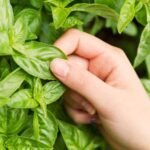
Basil (/ˈbæzəl/,[1] also US: /ˈbeɪzəl/;[2] Ocimum basilicum), also called great basil, is a culinary herb of the family Lamiaceae (mints).
Basil is native to tropical regions from central Africa to Southeast Asia.[3] It is a tender plant, and is used in cuisines worldwide. Depending on the species and cultivar, the leaves may taste somewhat like anise, with a strong, pungent, often sweet smell.
From Wikipedia, the free encyclopedia
There are many varieties of basil, as well as several related species or hybrids also called basil. The type used commonly as a flavor is typically called sweet basil (or Genovese basil), as opposed to Thai basil (O. basilicum var. thyrsiflora), lemon basil (O. × citriodorum), and holy basil (Ocimum tenuiflorum). While most common varieties of basil are treated as annuals, some are perennial in warm, tropical climates, including holy basil and a cultivar known as “African blue basil“.
Basil (/ˈbæzəl/,[1] also US: /ˈbeɪzəl/;[2] Ocimum basilicum), also called great basil, is a culinary herb of the family Lamiaceae (mints).
Basil is native to tropical regions from central Africa to Southeast Asia.[3] It is a tender plant, and is used in cuisines worldwide. Depending on the species and cultivar, the leaves may taste somewhat like anise, with a strong, pungent, often sweet smell.
From Wikipedia, the free encyclopedia
There are many varieties of basil, as well as several related species or hybrids also called basil. The type used commonly as a flavor is typically called sweet basil (or Genovese basil), as opposed to Thai basil (O. basilicum var. thyrsiflora), lemon basil (O. × citriodorum), and holy basil (Ocimum tenuiflorum). While most common varieties of basil are treated as annuals, some are perennial in warm, tropical climates, including holy basil and a cultivar known as “African blue basil“.
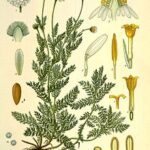
Here are additional ways in which German Chamomile can help:
Physical uses: Inflamed muscles and joints, infections, headaches, indigestion, nerve pain.
Skincare uses: Inflammation, irritations, rashes, allergic reactions, acne, rosacea, sunburn, itching, small cuts, minor burns, minor skin infections, insect bites, and stings.
Psychological uses: Stress, tension, anxiety, anger, fear, sleeplessness, impatience.
Approximately 189,000 per ounce Pkt about 1000
Here are additional ways in which German Chamomile can help:
Physical uses: Inflamed muscles and joints, infections, headaches, indigestion, nerve pain.
Skincare uses: Inflammation, irritations, rashes, allergic reactions, acne, rosacea, sunburn, itching, small cuts, minor burns, minor skin infections, insect bites, and stings.
Psychological uses: Stress, tension, anxiety, anger, fear, sleeplessness, impatience.
Approximately 189,000 per ounce Pkt about 1000
Reviews
There are no reviews yet.