
Description
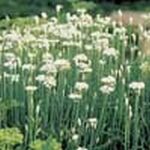
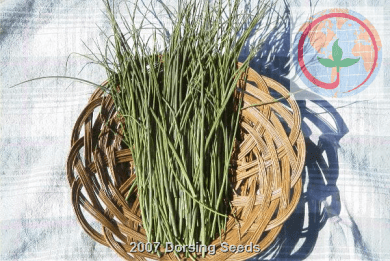
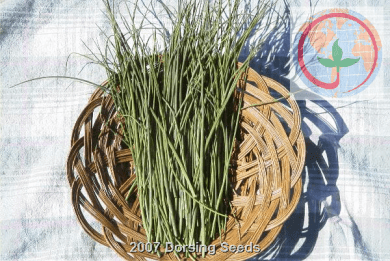
Similar to garlic chives but with an onion flavor.
$1.80 – $62.35Price range: $1.80 through $62.35
Similar to garlic chives but with an onion flavor.
Seeds/ounce – 18,000
Pkt Weight – 1/28
Similar to garlic chives but with an onion flavor.
| Options | 1 lb, 1 oz, 1/4 lb, 1/4 oz, packet |
|---|
Only logged in customers who have purchased this product may leave a review.
Beekeepers sometimes use lemon grass oil in swarm traps to attract swarms. Lemon grass oil has also been tested for its ability to repel the pestilent stable fly,[21] which bite domestic animals.
Seeds/ounce – 1,188,800
Pkt Weight – 1/16
Beekeepers sometimes use lemon grass oil in swarm traps to attract swarms. Lemon grass oil has also been tested for its ability to repel the pestilent stable fly,[21] which bite domestic animals.
Seeds/ounce – 1,188,800
Pkt Weight – 1/16

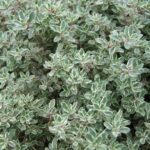
Greek oregano tends to be the most savory and earthy, while Italian is milder. Greek Oregano’s flavor is hot and peppery. Its spicy yet refreshing flavor contributes to Italian, Greek, and Spanish cuisine, as well as Mexican.
Oregano is a perennial growing to 20 inches, with pink flowers and spade-shaped, olive-green leaves.
Seeds/ounce – 125,100
Pkt Weight – 1/128
Greek oregano tends to be the most savory and earthy, while Italian is milder. Greek Oregano’s flavor is hot and peppery. Its spicy yet refreshing flavor contributes to Italian, Greek, and Spanish cuisine, as well as Mexican.
Oregano is a perennial growing to 20 inches, with pink flowers and spade-shaped, olive-green leaves.
Seeds/ounce – 125,100
Pkt Weight – 1/128

Nepeta cataria is cultivated as an ornamental plant for use in gardens.
Seeds/ounce – 42,500
Pkt Weight – 1/16
Nepeta cataria is cultivated as an ornamental plant for use in gardens.
Seeds/ounce – 42,500
Pkt Weight – 1/16

Purplish stems are 2-4 ft tall, has 2 inch broad smooth leaves that are distinctly stalked.
Seeds/ounce – 450,000
Pkt Weight – 1/168
Purplish stems are 2-4 ft tall, has 2 inch broad smooth leaves that are distinctly stalked.
Seeds/ounce – 450,000
Pkt Weight – 1/168

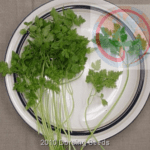
Chervil is best grown seeded in place, as transplanting can be difficult, due to the long taproot.
Seeds/ounce – 12,500
Pkt Weight – 1/16
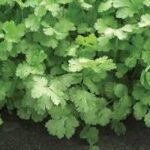
Chervil is best grown seeded in place, as transplanting can be difficult, due to the long taproot.
Seeds/ounce – 12,500
Pkt Weight – 1/16

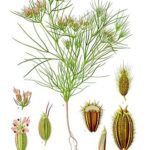
Hyssop is a brightly coloured shrub or subshrub that ranges from 30 to 60 cm (12 to 24 in) in height. The stem is woody at the base, from which grow a number of straight branches. Its leaves are lanceolate, dark green in colour, and from 2 to 2.5 cm (0.79 to 0.98 in) long.[3]
During the summer, the plant produces bunches of pink, blue, or, more rarely, white fragrant flowers. These give rise to small oblong achenes.
Seeds/ounce – 27,150
Pkt Weight – 1/128
The species as a whole is resistant to drought, and tolerant of chalky, sandy soils. It thrives in full sun and warm climates.
27150 seeds/ounce approximately 200 seeds/Pkt
Hyssop is a brightly coloured shrub or subshrub that ranges from 30 to 60 cm (12 to 24 in) in height. The stem is woody at the base, from which grow a number of straight branches. Its leaves are lanceolate, dark green in colour, and from 2 to 2.5 cm (0.79 to 0.98 in) long.[3]
During the summer, the plant produces bunches of pink, blue, or, more rarely, white fragrant flowers. These give rise to small oblong achenes.
Seeds/ounce – 27,150
Pkt Weight – 1/128
The species as a whole is resistant to drought, and tolerant of chalky, sandy soils. It thrives in full sun and warm climates.
27150 seeds/ounce approximately 200 seeds/Pkt

The leaves are used as a herb, in teas and also as a flavouring. The plant is used to attract bees for honey production. It is grown as an ornamental plant and for its oil (to use in perfumery). Lemon balm has been cultivated at least since the 16th century.
Lemon balm seeds require light and a minimum temperature of 20 °C (68 °F) to germinate. The plant grows in clumps and spreads vegetatively (a new plant can grow from a fragment of the parent plant), as well as by seed. In mild temperate zones, the plant stems die off at the start of the winter, but shoot up again in spring. Lemon balm grows vigorously.
The leaves are used as a herb, in teas and also as a flavouring. The plant is used to attract bees for honey production. It is grown as an ornamental plant and for its oil (to use in perfumery). Lemon balm has been cultivated at least since the 16th century.
Lemon balm seeds require light and a minimum temperature of 20 °C (68 °F) to germinate. The plant grows in clumps and spreads vegetatively (a new plant can grow from a fragment of the parent plant), as well as by seed. In mild temperate zones, the plant stems die off at the start of the winter, but shoot up again in spring. Lemon balm grows vigorously.


Reviews
There are no reviews yet.