Additional information
| Options | 1 lb, 1 oz, 1/4 lb, 1/4 oz, packet |
|---|


Price range: $1.10 through $9.00
Fenugreek (Trigonella foenum-graecum) is an herb similar to clover. The seeds taste similar to maple syrup and are used in foods and medicine.
Fenugreek is native to the Mediterranean, Europe, and Asia. Fenugreek seems to slow sugar absorption in the stomach and stimulate insulin . Both of these effects lower blood sugar in people with diabetes. Fenugreek might also improve levels of testosterone and estrogen , helping to improve interest in sex.
People commonly use fenugreek for diabetes, menstrual cramps , sexual problems, enlarged prostrate , high cholesterol, obesity , and many other conditions, but there is no good scientific evidence to support most of these uses.
Seeds/ounce – 2,200
Pkt Weight – 1/16
| Options | 1 lb, 1 oz, 1/4 lb, 1/4 oz, packet |
|---|
Only logged in customers who have purchased this product may leave a review.
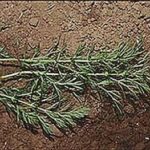
The plant prefers warm, sunny locations and well-drained soil rich in organic matter.
Seeds/ounce – 10,000
Pkt Weight – 1/28
The plant prefers warm, sunny locations and well-drained soil rich in organic matter.
Seeds/ounce – 10,000
Pkt Weight – 1/28
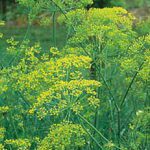
Successful cultivation requires warm to hot summers with high sunshine levels.
Seeds/ounce – 12,000
Pkt Weight – 1/8
Successful cultivation requires warm to hot summers with high sunshine levels.
Seeds/ounce – 12,000
Pkt Weight – 1/8
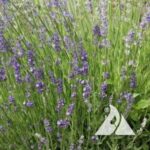
Lavenders flourish best in dry, well-drained, sandy or gravelly soils in full sun.
Seeds/ounce – 26,000
Pkt Weight – 1/128
Lavenders flourish best in dry, well-drained, sandy or gravelly soils in full sun.
Seeds/ounce – 26,000
Pkt Weight – 1/128
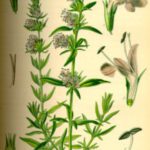
Hyssop is a brightly coloured shrub or subshrub that ranges from 30 to 60 cm (12 to 24 in) in height. The stem is woody at the base, from which grow a number of straight branches. Its leaves are lanceolate, dark green in colour, and from 2 to 2.5 cm (0.79 to 0.98 in) long.[3]
During the summer, the plant produces bunches of pink, blue, or, more rarely, white fragrant flowers. These give rise to small oblong achenes.
Seeds/ounce – 27,150
Pkt Weight – 1/128
The species as a whole is resistant to drought, and tolerant of chalky, sandy soils. It thrives in full sun and warm climates.
27150 seeds/ounce approximately 200 seeds/Pkt
Hyssop is a brightly coloured shrub or subshrub that ranges from 30 to 60 cm (12 to 24 in) in height. The stem is woody at the base, from which grow a number of straight branches. Its leaves are lanceolate, dark green in colour, and from 2 to 2.5 cm (0.79 to 0.98 in) long.[3]
During the summer, the plant produces bunches of pink, blue, or, more rarely, white fragrant flowers. These give rise to small oblong achenes.
Seeds/ounce – 27,150
Pkt Weight – 1/128
The species as a whole is resistant to drought, and tolerant of chalky, sandy soils. It thrives in full sun and warm climates.
27150 seeds/ounce approximately 200 seeds/Pkt
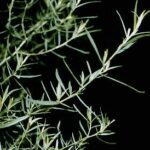
Tarragon (Artemisia dracunculus), also known as estragon, is a species of perennial herb in the sunflower family. It is widespread in the wild across much of Eurasia and North America, and is cultivated for culinary and medicinal purposes.[3][4][5][6]
From Wikipedia, the free encyclopedia
Approximately 150,000 per ounce Pkt about 800
Tarragon (Artemisia dracunculus), also known as estragon, is a species of perennial herb in the sunflower family. It is widespread in the wild across much of Eurasia and North America, and is cultivated for culinary and medicinal purposes.[3][4][5][6]
From Wikipedia, the free encyclopedia
Approximately 150,000 per ounce Pkt about 800
Reviews
There are no reviews yet.