Description
Purplish stems are 2-4 ft tall, has 2 inch broad smooth leaves that are distinctly stalked, leaves have clusters of reddish light purple flowers, rarely has seeds, hot aromatic taste at first that turns to cold, distinctive odor.


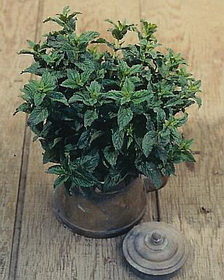
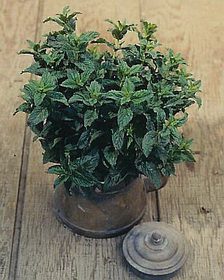
Purplish stems are 2-4 ft tall, has 2 inch broad smooth leaves that are distinctly stalked, leaves have clusters of reddish light purple flowers, rarely has seeds, hot aromatic taste at first that turns to cold, distinctive odor.
| Options | 1 lb, 1 oz, 1/4 lb, 1/4 oz, 1/8 oz, packet |
|---|
Only logged in customers who have purchased this product may leave a review.
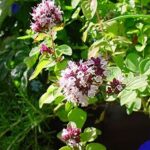
Greek oregano tends to be the most savory and earthy, while Italian is milder. Greek Oregano’s flavor is hot and peppery. Its spicy yet refreshing flavor contributes to Italian, Greek, and Spanish cuisine, as well as Mexican.
Oregano is a perennial growing to 20 inches, with pink flowers and spade-shaped, olive-green leaves.
Seeds/ounce – 125,100
Pkt Weight – 1/128
Greek oregano tends to be the most savory and earthy, while Italian is milder. Greek Oregano’s flavor is hot and peppery. Its spicy yet refreshing flavor contributes to Italian, Greek, and Spanish cuisine, as well as Mexican.
Oregano is a perennial growing to 20 inches, with pink flowers and spade-shaped, olive-green leaves.
Seeds/ounce – 125,100
Pkt Weight – 1/128
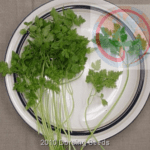
Chervil is best grown seeded in place, as transplanting can be difficult, due to the long taproot.
Seeds/ounce – 12,500
Pkt Weight – 1/16
Chervil is best grown seeded in place, as transplanting can be difficult, due to the long taproot.
Seeds/ounce – 12,500
Pkt Weight – 1/16
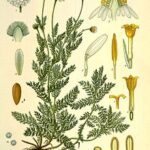
The plant is used to flavor foods, in herbal teas, perfumes, and cosmetics. It is used to make a rinse for blonde hair, and is popular in aromatherapy; its practitioners believe it to be a calming agent to reduce stress and aid in sleep.
Its properties make it appropriate for the treatment of cracked nipples that develop during breastfeeding. It can be applied directly to the skin for pain and swelling. It is not recommended for use during pregnancy as it can cause uterine contractions and miscarriage.
Approximately 189,000 per ounce Pkt about 1000
The plant is used to flavor foods, in herbal teas, perfumes, and cosmetics. It is used to make a rinse for blonde hair, and is popular in aromatherapy; its practitioners believe it to be a calming agent to reduce stress and aid in sleep.
Its properties make it appropriate for the treatment of cracked nipples that develop during breastfeeding. It can be applied directly to the skin for pain and swelling. It is not recommended for use during pregnancy as it can cause uterine contractions and miscarriage.
Approximately 189,000 per ounce Pkt about 1000
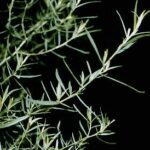
Tarragon (Artemisia dracunculus), also known as estragon, is a species of perennial herb in the sunflower family. It is widespread in the wild across much of Eurasia and North America, and is cultivated for culinary and medicinal purposes.[3][4][5][6]
From Wikipedia, the free encyclopedia
Approximately 150,000 per ounce Pkt about 800
Tarragon (Artemisia dracunculus), also known as estragon, is a species of perennial herb in the sunflower family. It is widespread in the wild across much of Eurasia and North America, and is cultivated for culinary and medicinal purposes.[3][4][5][6]
From Wikipedia, the free encyclopedia
Approximately 150,000 per ounce Pkt about 800
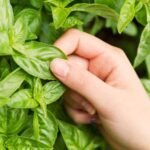
Basil (/ˈbæzəl/,[1] also US: /ˈbeɪzəl/;[2] Ocimum basilicum), also called great basil, is a culinary herb of the family Lamiaceae (mints).
Basil is native to tropical regions from central Africa to Southeast Asia.[3] It is a tender plant, and is used in cuisines worldwide. Depending on the species and cultivar, the leaves may taste somewhat like anise, with a strong, pungent, often sweet smell.
From Wikipedia, the free encyclopedia
There are many varieties of basil, as well as several related species or hybrids also called basil. The type used commonly as a flavor is typically called sweet basil (or Genovese basil), as opposed to Thai basil (O. basilicum var. thyrsiflora), lemon basil (O. × citriodorum), and holy basil (Ocimum tenuiflorum). While most common varieties of basil are treated as annuals, some are perennial in warm, tropical climates, including holy basil and a cultivar known as “African blue basil“.
Basil (/ˈbæzəl/,[1] also US: /ˈbeɪzəl/;[2] Ocimum basilicum), also called great basil, is a culinary herb of the family Lamiaceae (mints).
Basil is native to tropical regions from central Africa to Southeast Asia.[3] It is a tender plant, and is used in cuisines worldwide. Depending on the species and cultivar, the leaves may taste somewhat like anise, with a strong, pungent, often sweet smell.
From Wikipedia, the free encyclopedia
There are many varieties of basil, as well as several related species or hybrids also called basil. The type used commonly as a flavor is typically called sweet basil (or Genovese basil), as opposed to Thai basil (O. basilicum var. thyrsiflora), lemon basil (O. × citriodorum), and holy basil (Ocimum tenuiflorum). While most common varieties of basil are treated as annuals, some are perennial in warm, tropical climates, including holy basil and a cultivar known as “African blue basil“.
Reviews
There are no reviews yet.